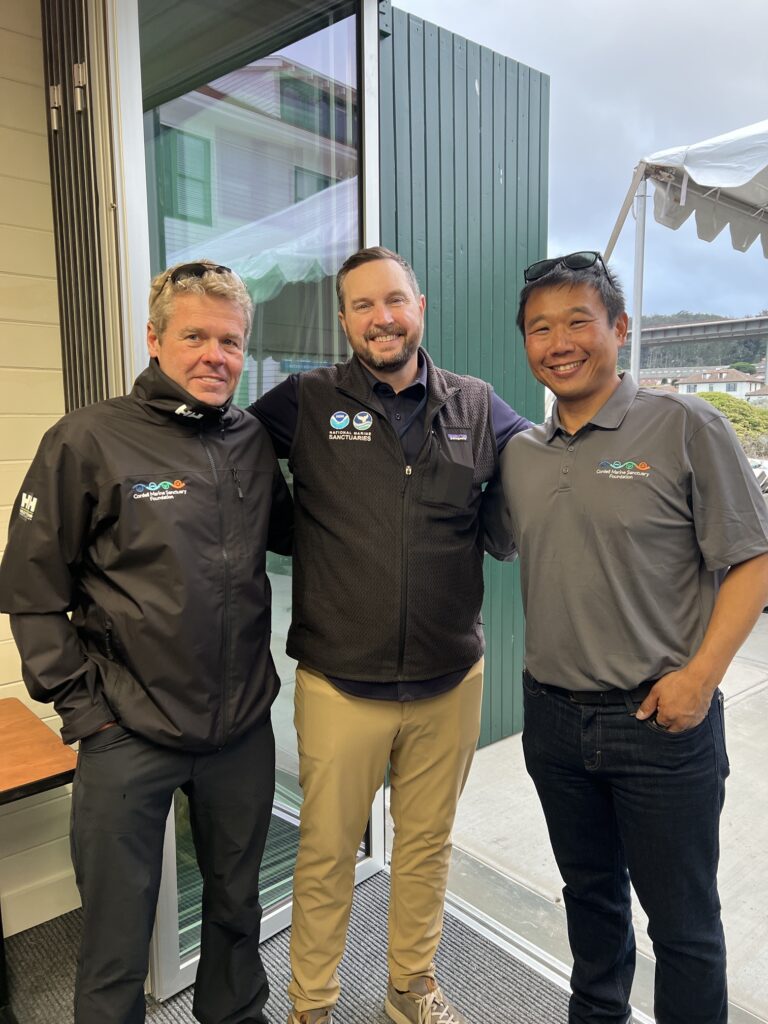
Leadership from each of the National Marine Sanctuaries within the system, Sanctuary Advisory Council chairs and representatives from supporting organizations like CMSF gathered in San Francisco for three days of presentations, seminars and information sharing. Rob Lee, presented on the collaboration that resulted in the 360 virtual reality video from Cordell Bank and the educational … Continue reading "CMSF representatives participate in the Partners in Stewardship: A Sanctuary Summit"
Read more
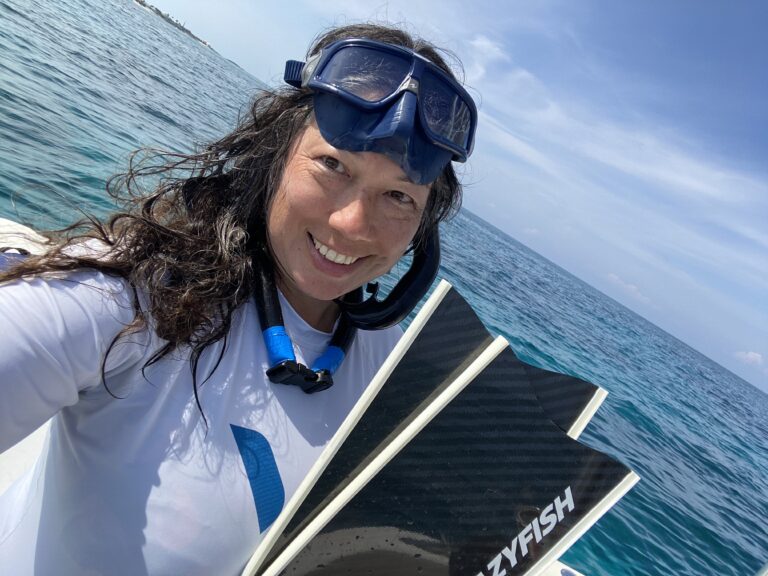
Francesca Koe has joined the Cordell Marine Sanctuary Foundation’s board of directors, and brings with her a wealth of experience and knowledge. Francesca is an advocate, narrative organizer and communications strategist bringing over 20 years of experience in understanding the dynamic human ecosystems that house stakeholders, community building, policy action, research, creative development, and storytelling. … Continue reading "Francesca Koe joins the Board of Directors"
Read more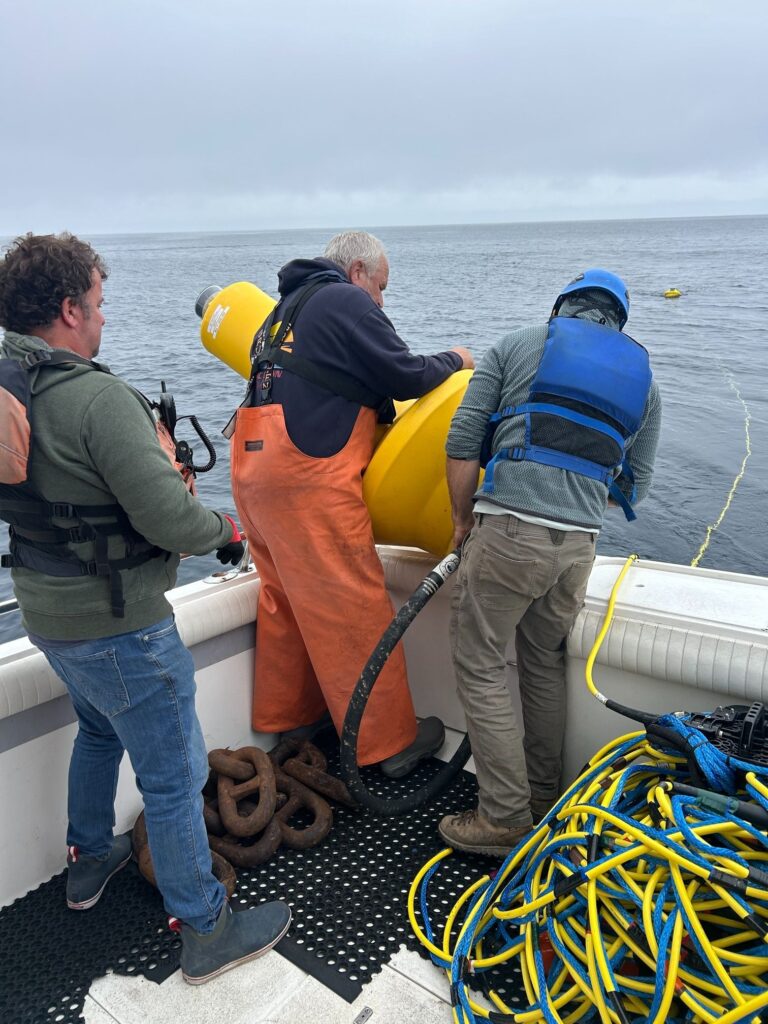
With support from the Cordell Marine Sanctuary Foundation (CMSF), scientists from Greater Farallones and Cordell Bank National Marine Sanctuaries (CBNMS/GFNMS), in partnership with UC Davis Bodega Marine Laboratory (BML), are maintaining long-term oceanographic monitoring at Cordell Bank to track hypoxic conditions and other physical changes. CMSF has been supporting the project from its inception in … Continue reading "Servicing Hypoxia Monitoring Moorings at Cordell Bank"
Read more
Tom Lambert, a long-time supporter of Cordell Bank National Marine Sanctuary, and founding member of the Cordell Marine Sanctuary Foundation died at home in Sebastopol on February 3, 2026. He was 79. With Tom’s passing, Cordell Bank National Marine Sanctuary, Cordell Marine Sanctuary Foundation and Marine Sanctuaries lost an ardent supporter. Tom had a passion for … Continue reading "Remembering Tom Lambert"
Read more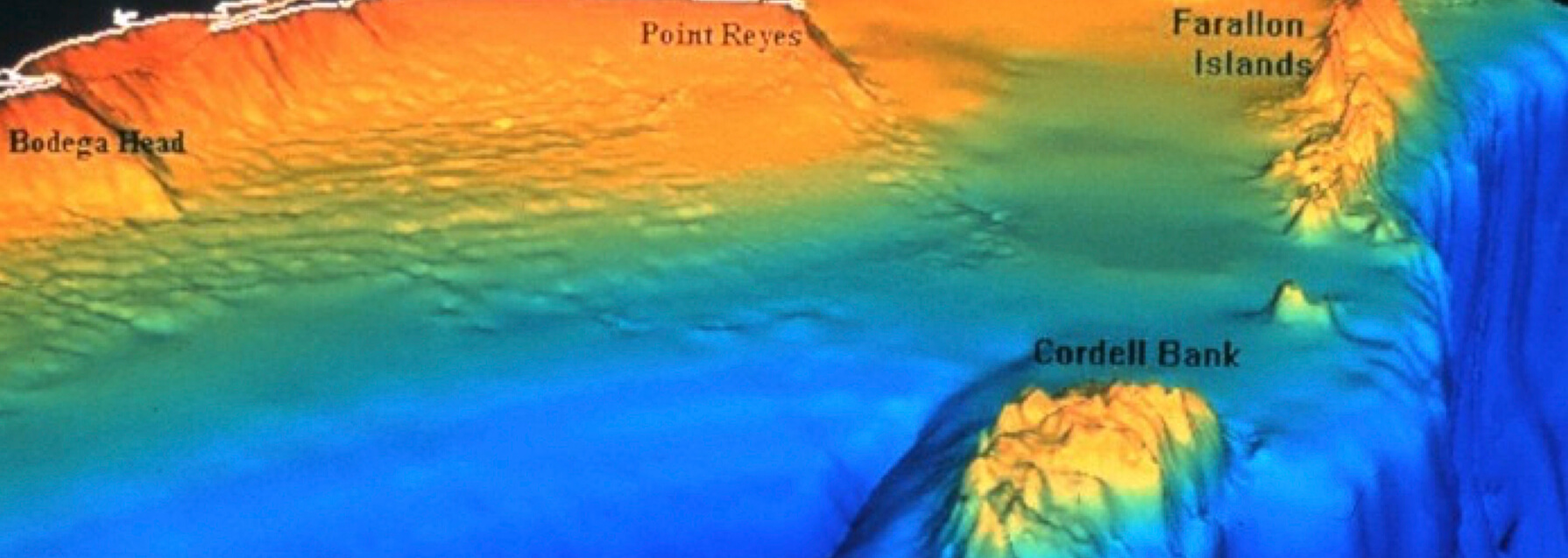
Photo: NOAA/GFNMS/CBNMS What is Hypoxia? Hypoxia is a term used to describe conditions when the dissolved oxygen concentration in a body of water becomes low and starts to affect aquatic organisms that require oxygen to survive. In scientific literature, hypoxia usually refers to dissolved oxygen levels below a certain threshold, most commonly 5mg/L or 2mg/L. … Continue reading "What is hypoxia and why it is important to study hypoxic events at Cordell Bank National Marine Sanctuary"
Read more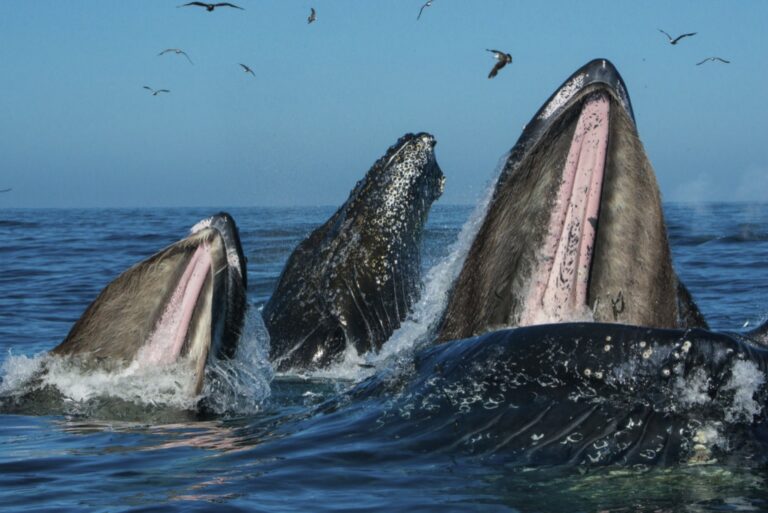
Overview of oceanographic and ecological factors that contribute to Cordell Bank’s high productivity
Photo: Robert Lee The centerpiece of Cordell Bank National Marine Sanctuary (CBNMS) is an expansive underwater granite bank located on a peninsula of the continental shelf, which geologically originated from the southern Sierra Nevada mountain range. Its hard surface is ideal for invertebrate larvae looking for a place to settle. Snails, seapstars, and crabs live … Continue reading "Overview of oceanographic and ecological factors that contribute to Cordell Bank’s high productivity"
Read more
Wind is the primary driving force of water movement in the open ocean. In the northern Pacific ocean, wind pushes water clockwise creating a gyre (or rotation of ocean currents) due to global wind patterns, the Earth’s rotation, and continent landmasses acting as physical boundaries. The continuous clockwise movement of water within the ocean basin … Continue reading "Overview of eastern boundary currents, California Current, and upwelling"
Read more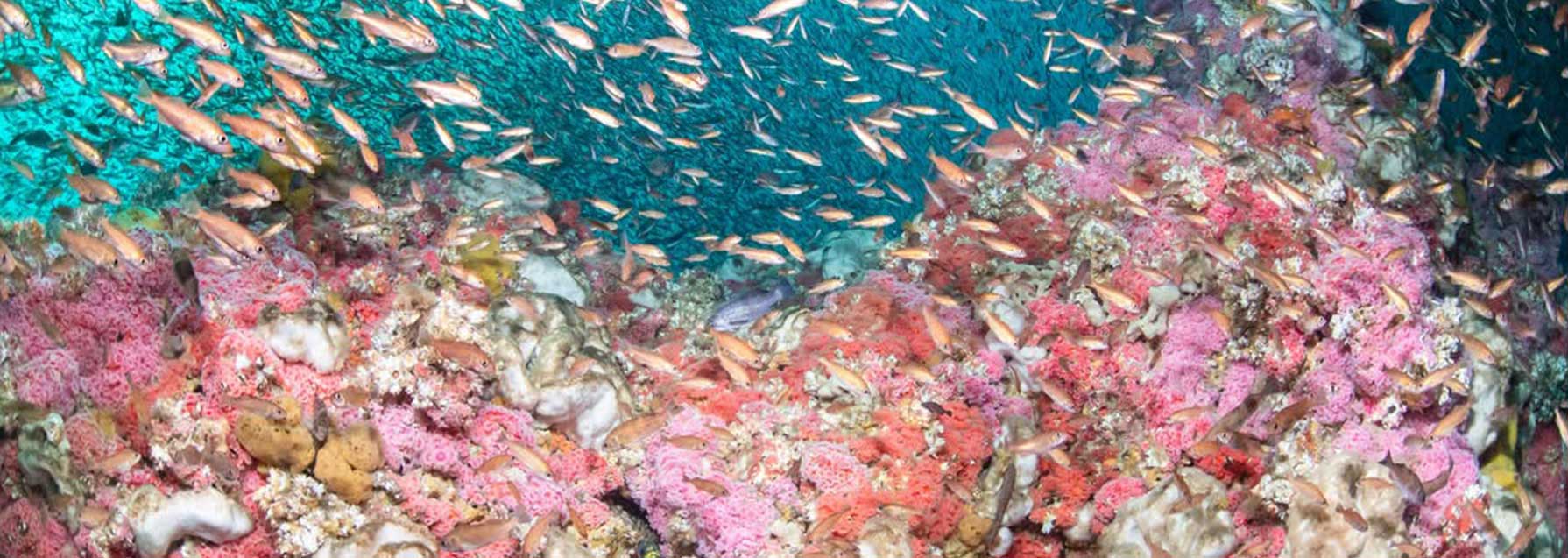
Photo: Robert Lee A future priority for hypoxia monitoring at Cordell Bank National Marine Sanctuary is maintaining the integrity of a continuous, long-term oxygen dataset. Consistent monitoring over time is essential because hypoxic events can be episodic, seasonal, and influenced by shifting ocean conditions, making short-term observations insufficient to detect meaningful trends. A reliable long-term … Continue reading "The importance of a continuous long-term data set on oxygen status of Cordell Bank’s environment"
Read more