Preserving Marine Life for Future Generations

Ensuring a thriving ocean ecosystem today for the well-being of tomorrow.

The Human Connection to Marine Conservation

Our oceans' health reflects our own—protecting them means protecting ourselves.

Climate Change and Its Impact on Our Seas

Rising temperatures, shifting currents, and vanishing ecosystems—our oceans are changing, and so must we.

/


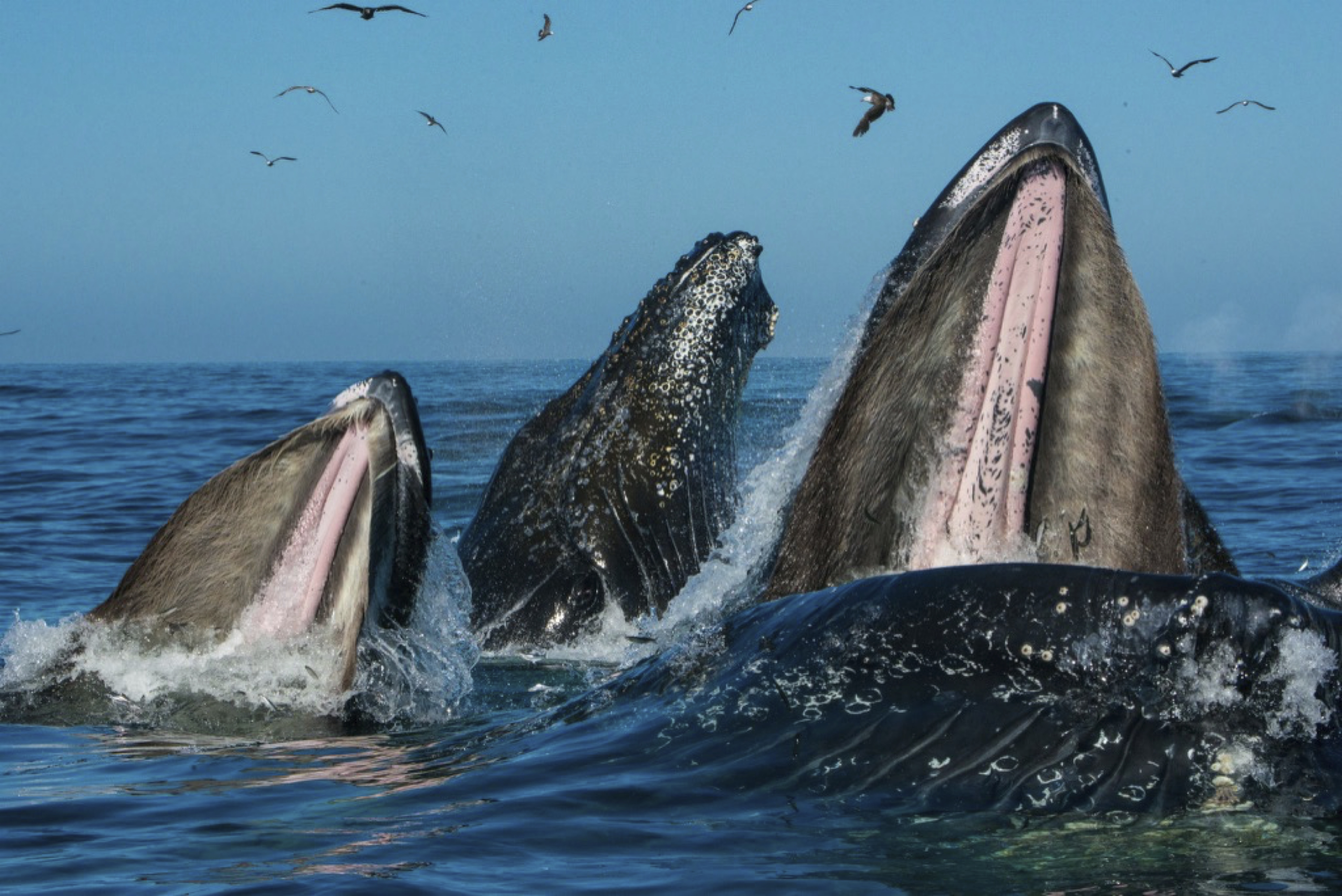
Photos: Robert Lee

Protect Our Oceans, Protect Our Future

"As someone who has always been deeply connected to the ocean, I believe protecting our marine ecosystems is not just a responsibility but a privilege. I joined the foundation to help preserve the extraordinary biodiversity of the Cordell Bank National Marine Sanctuary, ensuring that future generations can experience its beauty and significance. Through research, education, and strong partnerships, we have the power to make a lasting impact, and I am honored to be part of this vital mission." – Gavin Chilcott, PhD — Board President

Supporting the Cordell Bank National Marine Sanctuary in:

  • Scientific research programs, studying climate change, ocean acidification, and marine life
  • Education, outreach, and increasing public awareness of the Sanctuary and it's programs
  • Conservation and protection of the Sanctuary resources, including fishes, whales, seabirds and corals

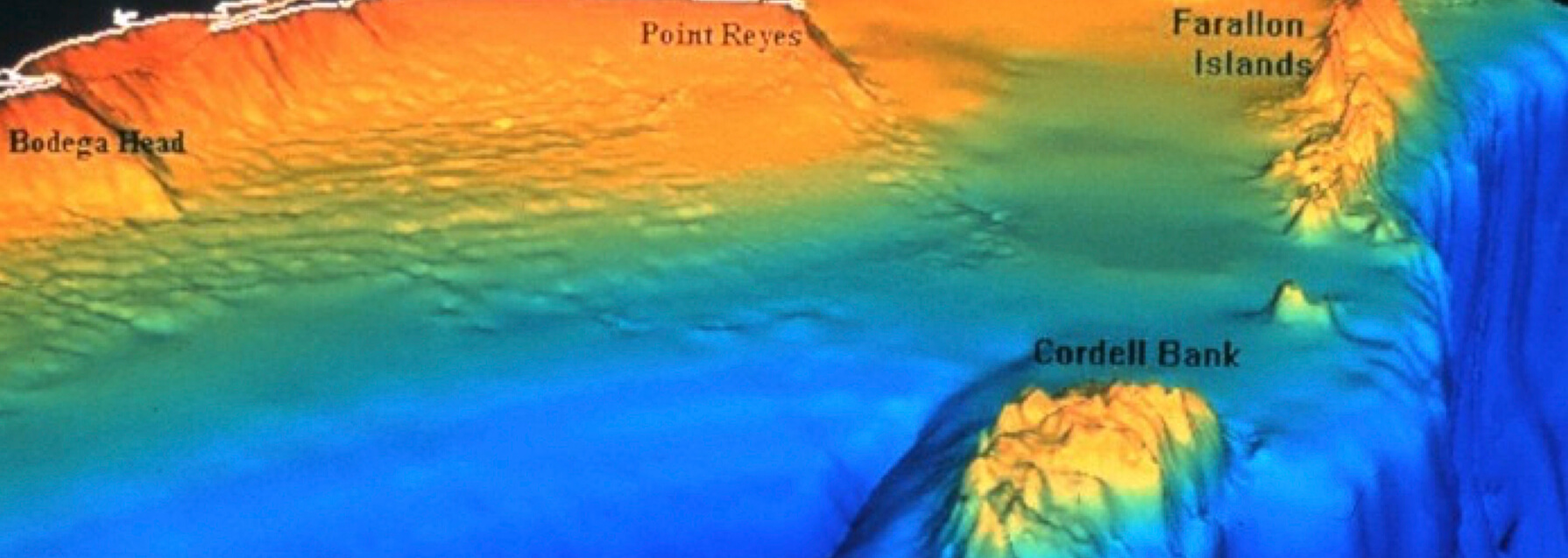
The sanctuary was established in 1989 to protect and preserve the extraordinary ecosystem, including marine birds, mammals, and other natural resources of Cordell Bank and its surrounding waters. The Sanctuary encompasses brilliant and diverse marine life, above and below the water.


View this Immersive 360-degree video experience to see why we are so passionate about Cordell Bank National Marine Sanctuary.

Photos: Robert Lee

The Cordell Currents - News & Articles

What is hypoxia and why it is important to study hypoxic events at Cordell Bank National Marine Sanctuary

Photo: NOAA/GFNMS/CBNMS What is Hypoxia? Hypoxia is a term used to describe conditions when the dissolved oxygen concentration in a body of water becomes low and starts to affect aquatic organisms that require oxygen to survive.  In scien...

Continue reading

Overview of oceanographic and ecological factors that contribute to Cordell Bank’s high productivity

The centerpiece of Cordell Bank National Marine Sanctuary (CBNMS) is an expansive underwater granite bank located on a peninsula of the continental shelf, which geologically originated from the southern Sierra Nevada mountain range. Its hard surface...

Continue reading

Overview of eastern boundary currents, California Current, and upwelling

Wind is the primary driving force of water movement in the open ocean. In the northern Pacific ocean, wind pushes water clockwise creating a gyre (or rotation of ocean currents) due to global wind patterns, the Earth’s rotation, and continent land...

Continue reading

The importance of a continuous long-term data set on oxygen status of Cordell Bank’s environment

Photo: Robert Lee A future priority for hypoxia monitoring at Cordell Bank National Marine Sanctuary is maintaining the integrity of a continuous, long-term oxygen dataset. Consistent monitoring over time is essential because hypoxic events can b...

Continue reading

Why we need to study the effects of low-oxygen events at Cordell Bank

Photo: Robert Lee Oxygen levels are a critical component of ocean health, influencing where marine species can live, feed, and migrate. While low-oxygen water naturally occurs in the deep ocean, recent observations along the U.S. West Coast have ...

Continue reading

Why are eastern boundary currents and coastal upwellings so important to Cordell Bank National Marine Sanctuary

Eastern Boundary Currents and coastal upwelling are fundamental to the extraordinary productivity of the ecosystem surrounding Cordell Bank National Marine Sanctuary. The southward-flowing California Current, one of the world’s major Eastern Bound...

Continue reading
1989

The sanctuary was established in 1989 to protect and preserve the extraordinary ecosystem, including marine birds, mammals, and other natural resources of Cordell Bank and its surrounding waters. The Sanctuary encompasses brilliant and diverse marine life, above and below the water.

Migration

The map below illustrates how marine animals migrate from across the Pacific to the rich, productive waters surrounding Cordell Bank, drawn by its abundant food supply and thriving ecosystem.


Creatures

The Cordell Bank is home to an extraordinary ecosystem, including marine birds, mammals, and other natural resources. The Sanctuary encompasses brilliant and diverse marine life, above and below the water.The upper reef crests of Cordell Bank are carpeted in lush invertebrate cover, including hydrocorals, stony corals, sponges, anemones, hydroids, macroalgae and tunicates, providing critical habitat to a variety of first-year juvenile and adult rockfish species. Cordell Bank is truly a biologically diverse and unique place.

The Sanctuary supports healthy resident populations and is a destination feeding ground for many migratory marine mammals, seabirds, and fishes. Invertebrates proliferate on the Bank and in the surrounding water column.

Preserving the Rich Biodiversity of Cordell Bank

Photo: Robert Lee

Established in 1989, the Cordell Bank National Marine Sanctuary was created to protect and preserve its remarkable ecosystem, home to an incredible array of marine birds, mammals, and other vital natural resources.

Spanning a vibrant and ecologically rich region, the sanctuary serves as a refuge for diverse marine life, both above and below the water's surface. From its nutrient-rich waters to its thriving underwater habitats, this extraordinary sanctuary continues to support a delicate balance of life, ensuring its beauty and biodiversity remain for future generations to cherish.

Our Mission

Support scientific research conducted in the Cordell Bank National Marine Sanctuary and its surrounding areas while promoting educational and outreach initiatives. Increase public awareness of the sanctuary and its conservation programs, which focus on protecting and enhancing marine biological resources.

Foster strong partnerships between the sanctuary, environmental organizations, citizens, and agencies to strengthen its impact. Additional objectives may be pursued as determined by the Board of Directors in accordance with California Nonprofit Public Benefit Corporation law.

Contact us!

Photo: Robert Lee