Photo: NOAA/GFNMS/CBNMS
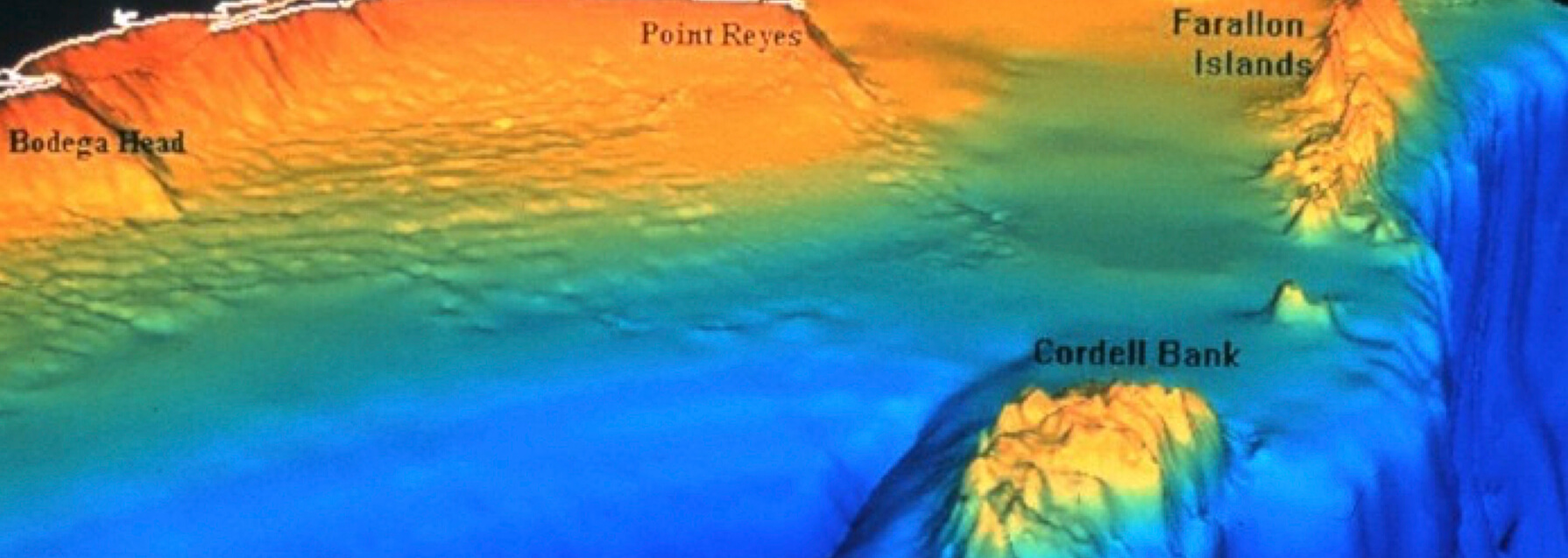
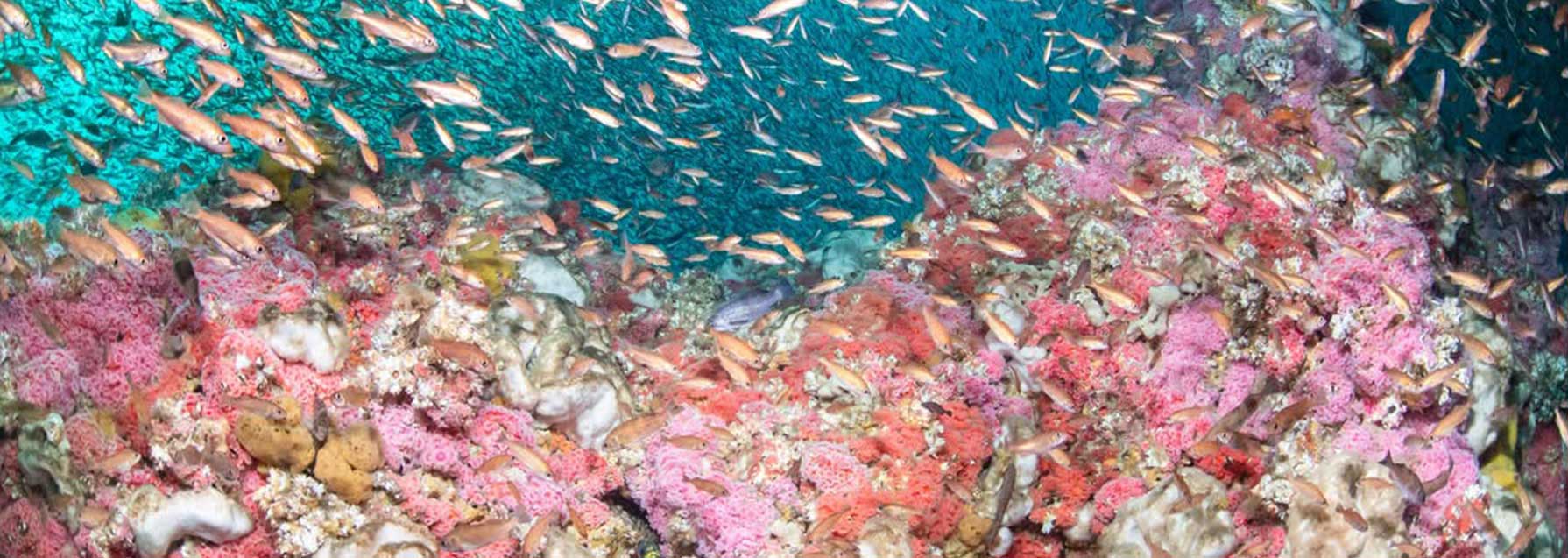
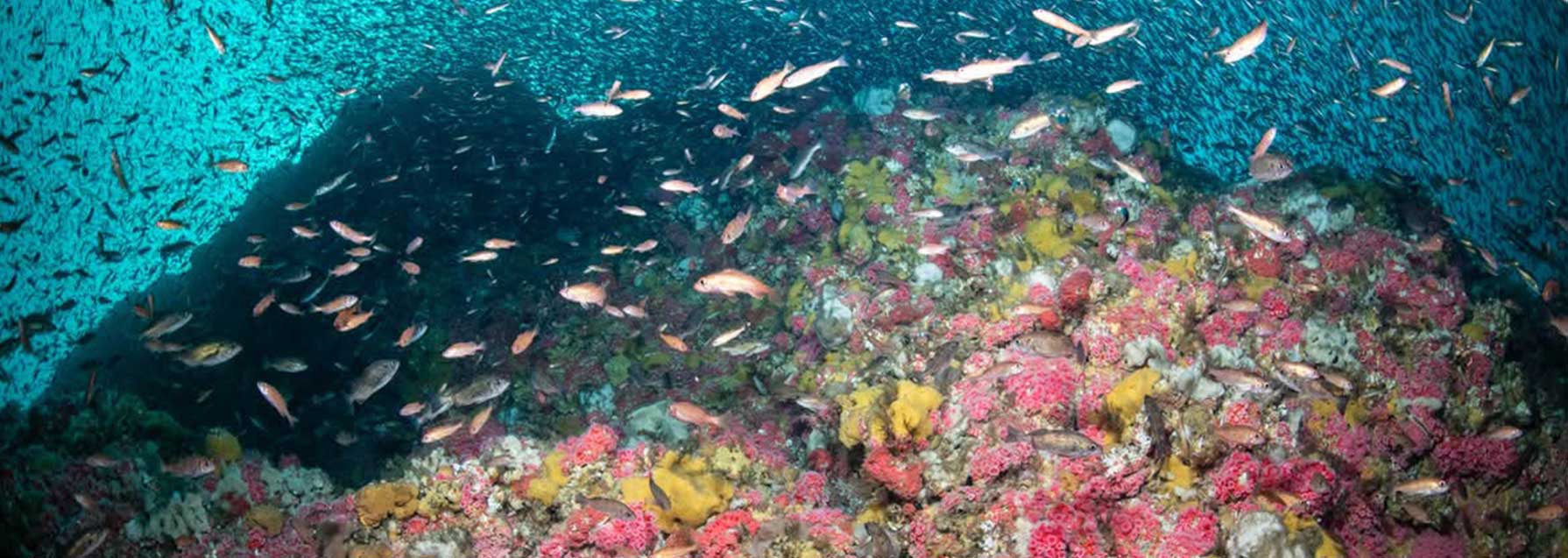
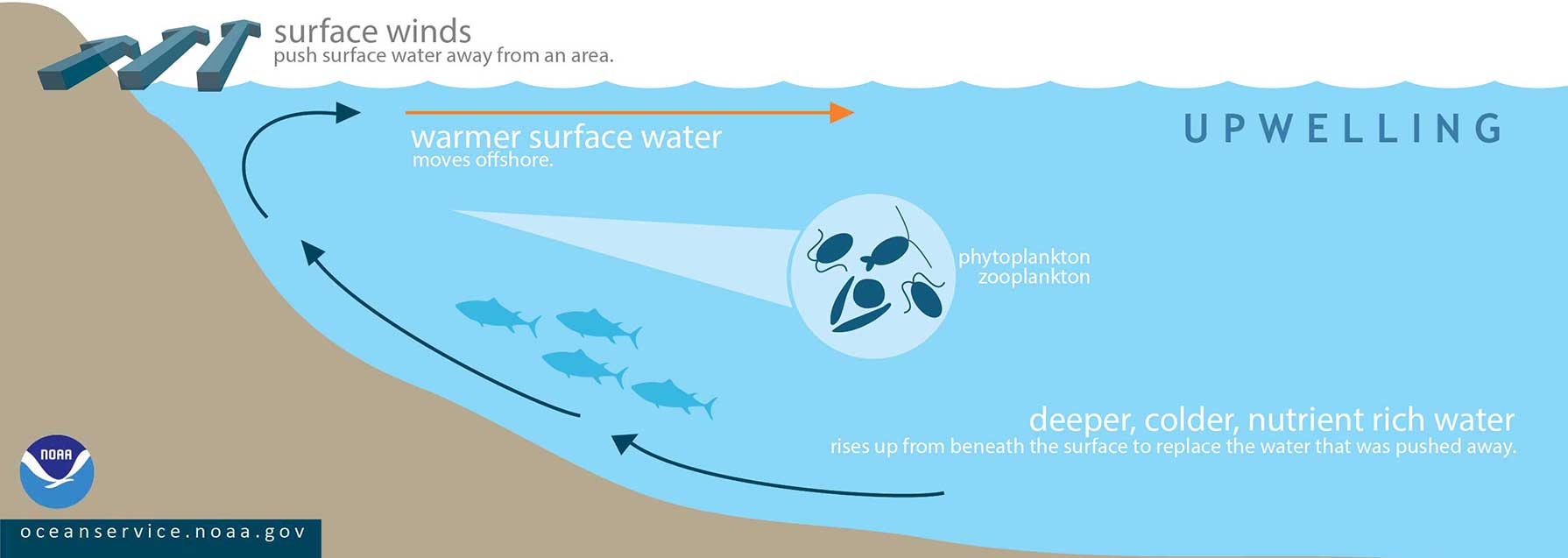
The exceptional productivity of Cordell Bank National Marine Sanctuary is driven by a rare combination of oceanographic and geological factors. The bank’s steep rocky topography rises from the continental shelf into nutrient-rich waters influenced by the California Current and seasonal upwelling, concentrating plankton and creating ideal feeding conditions for fishes, invertebrates, seabirds, and migrating marine mammals.
This convergence of structure, currents, and nutrient supply makes Cordell Bank one of the most biologically vibrant offshore habitats along the U.S. West Coast.
However, climate change has the potential to alter these processes by shifting upwelling timing and intensity, warming ocean waters, increasing marine heatwaves, and influencing oxygen levels.
Changes to these physical drivers could reshape food web dynamics, migration patterns, and species distribution, making long-term research and conservation efforts critical to understanding and protecting the sanctuary’s productivity in a changing ocean.