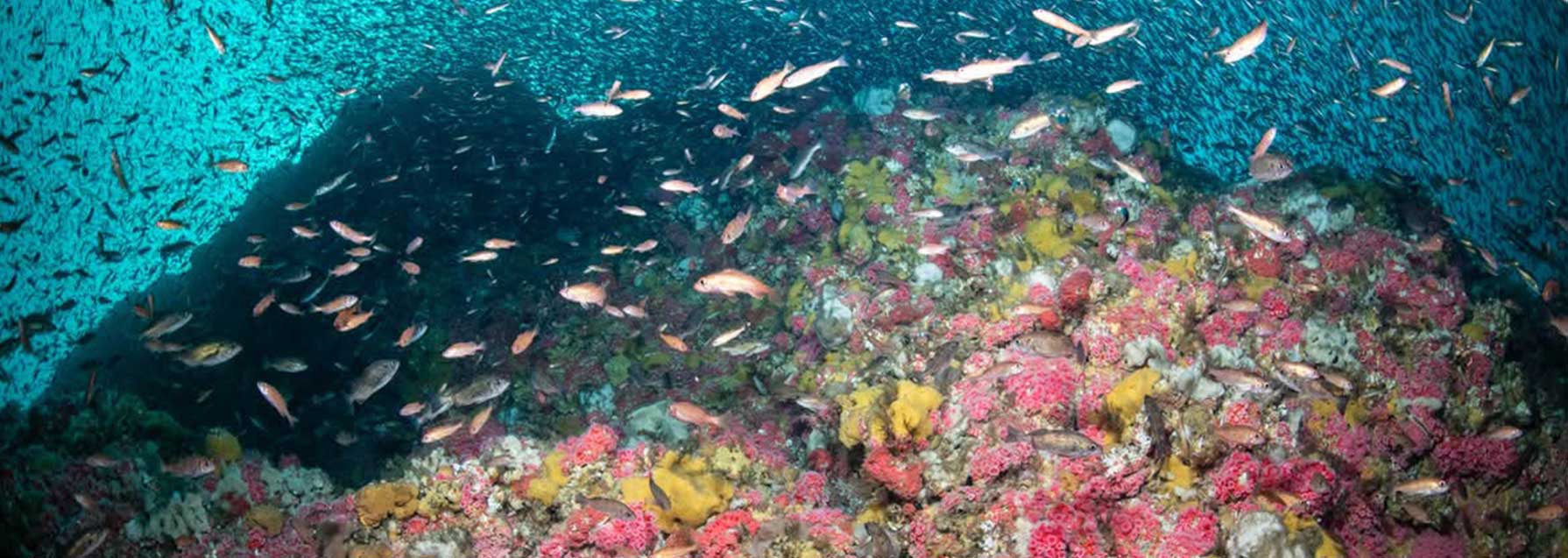
Photo: Robert Lee
Oxygen levels are a critical component of ocean health, influencing where marine species can live, feed, and migrate. While low-oxygen water naturally occurs in the deep ocean, recent observations along the U.S. West Coast have documented episodes of hypoxic — or low-oxygen — water moving into shallower habitats.
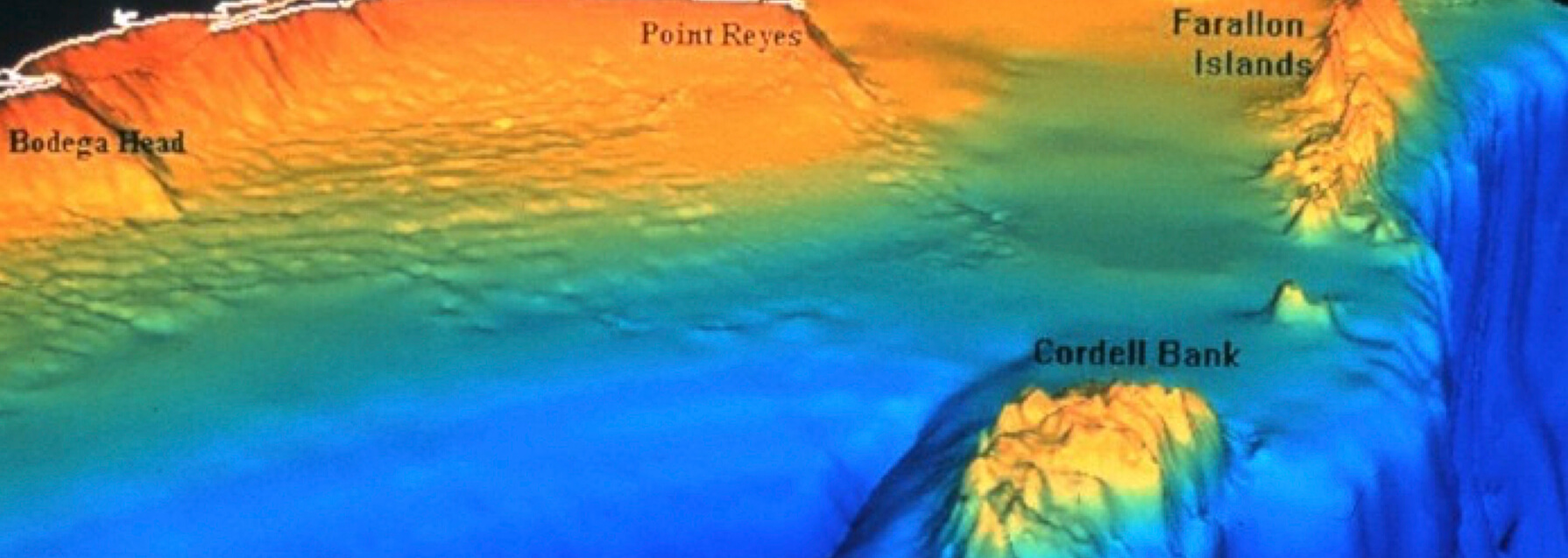
In 2013, researchers from Bodega Marine Laboratory first detected low dissolved oxygen nearshore along the north-central California coast. Since 2014, scientists from Cordell Bank National Marine Sanctuary and Bodega Marine Laboratory have partnered to deploy sensors at Cordell Bank to monitor oxygen conditions over time.
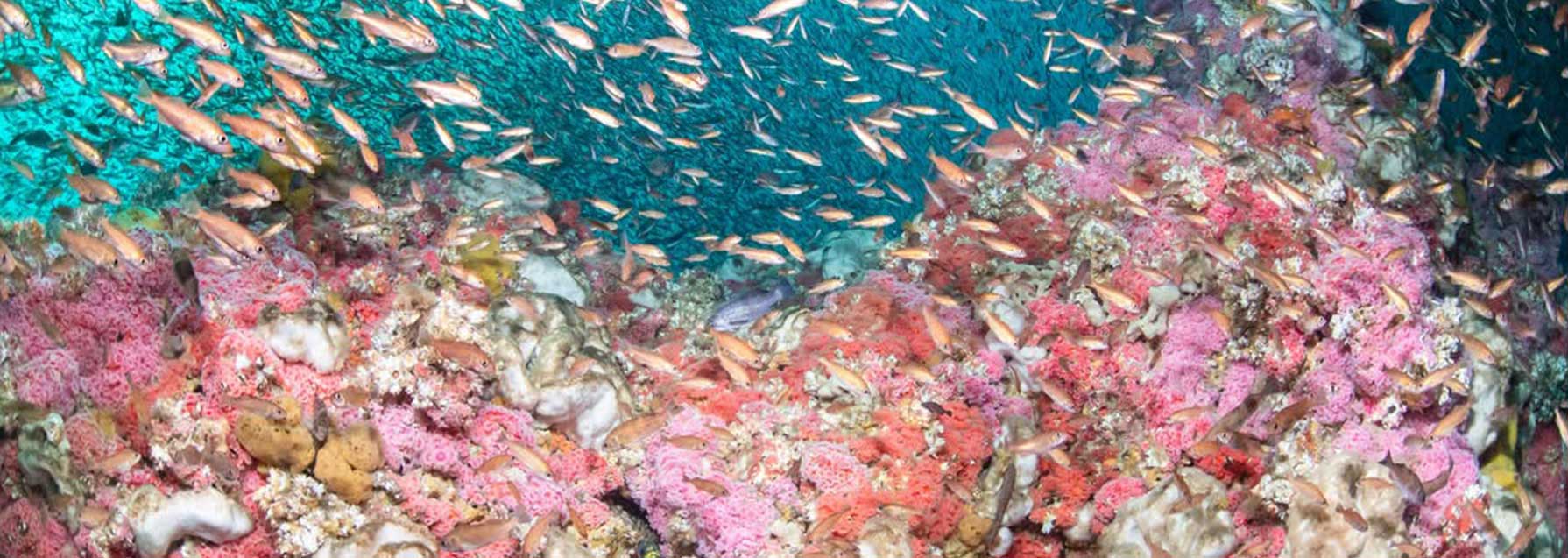
The bank supports a vibrant community of invertebrates and rockfish that may be vulnerable to hypoxic events, making ongoing monitoring essential. Early results recorded periods of hypoxic or near-hypoxic conditions, underscoring the need for continued research to understand the extent of these events and how changing oxygen levels may affect the animals that depend on this productive offshore ecosystem.
See a summary report of the hypoxia project in CBNMS: