Photo: NOAA/GFNMS/CBNMS What is Hypoxia? Hypoxia is a term used to describe conditions when the dissolved oxygen concentration in a body of water becomes low and starts to affect aquatic organisms that require oxygen to survive. In scientific literature, hypoxia usually refers to dissolved oxygen levels below a certain threshold, most commonly 5mg/L or 2mg/L. … Continue reading "What is hypoxia and why it is important to study hypoxic events at Cordell Bank National Marine Sanctuary"
Read more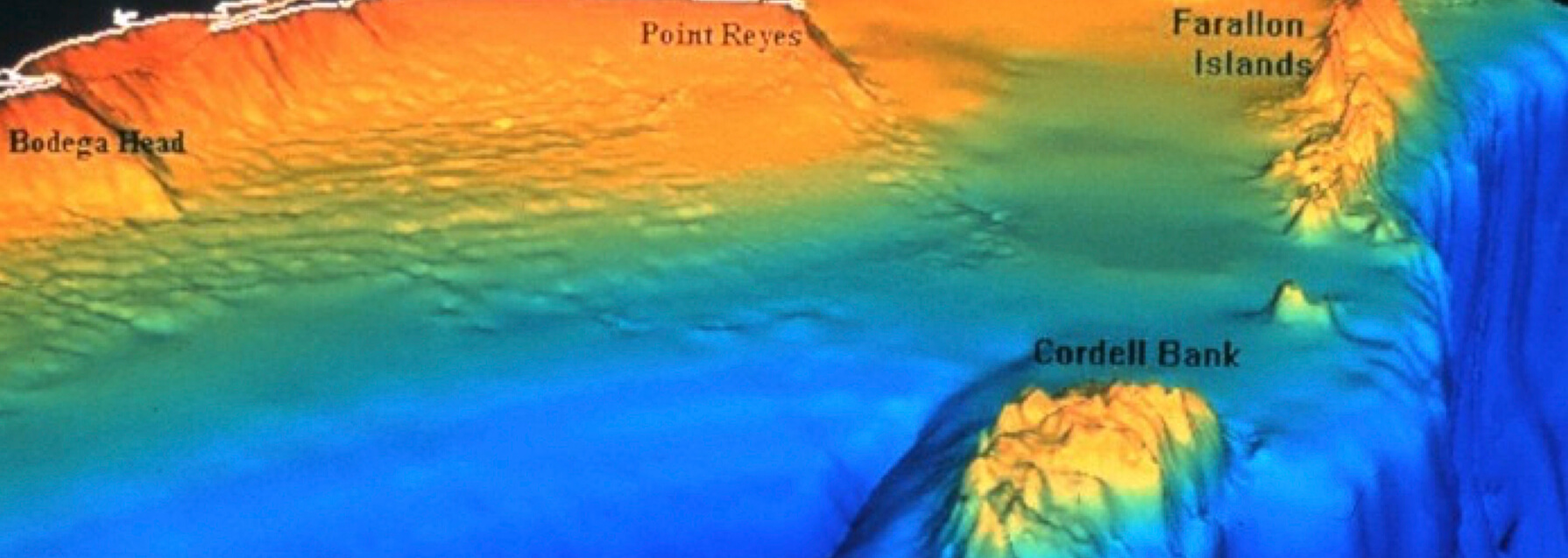

Overview of oceanographic and ecological factors that contribute to Cordell Bank’s high productivity
The centerpiece of Cordell Bank National Marine Sanctuary (CBNMS) is an expansive underwater granite bank located on a peninsula of the continental shelf, which geologically originated from the southern Sierra Nevada mountain range. Its hard surface is ideal for invertebrate larvae looking for a place to settle. Snails, seapstars, and crabs live among the dense … Continue reading "Overview of oceanographic and ecological factors that contribute to Cordell Bank’s high productivity"
Read more
Wind is the primary driving force of water movement in the open ocean. In the northern Pacific ocean, wind pushes water clockwise creating a gyre (or rotation of ocean currents) due to global wind patterns, the Earth’s rotation, and continent landmasses acting as physical boundaries. The continuous clockwise movement of water within the ocean basin … Continue reading "Overview of eastern boundary currents, California Current, and upwelling"
Read more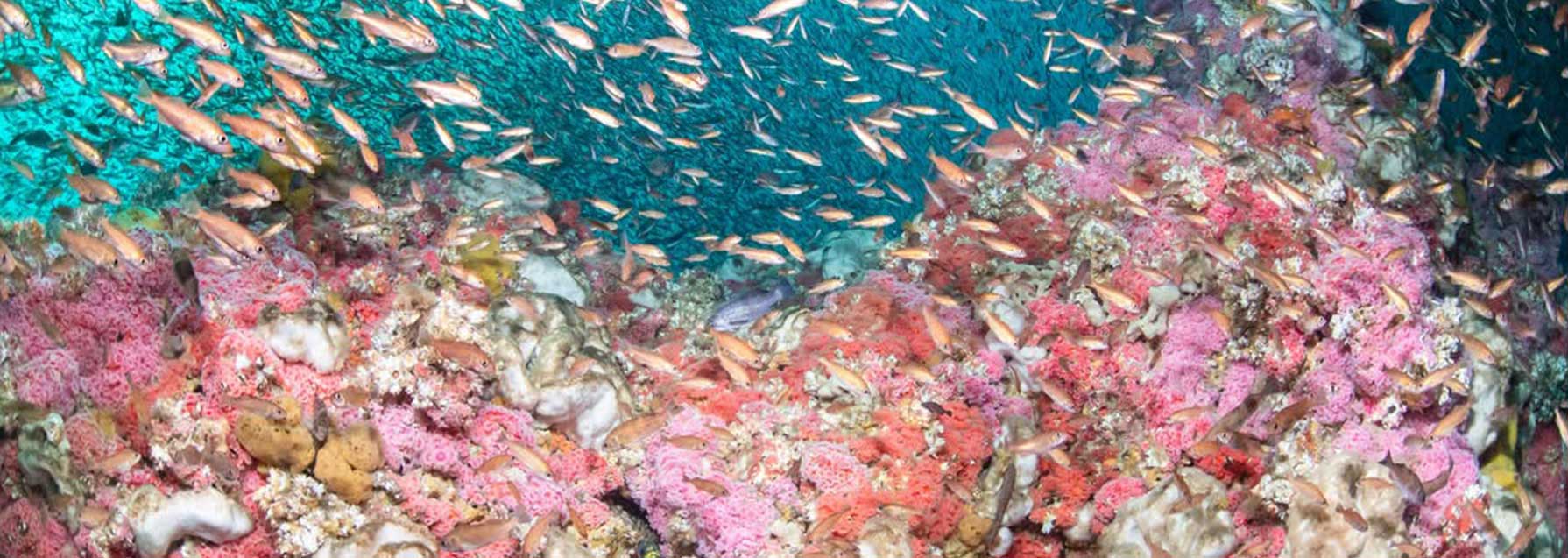
Photo: Robert Lee A future priority for hypoxia monitoring at Cordell Bank National Marine Sanctuary is maintaining the integrity of a continuous, long-term oxygen dataset. Consistent monitoring over time is essential because hypoxic events can be episodic, seasonal, and influenced by shifting ocean conditions, making short-term observations insufficient to detect meaningful trends. A reliable long-term … Continue reading "The importance of a continuous long-term data set on oxygen status of Cordell Bank’s environment"
Read more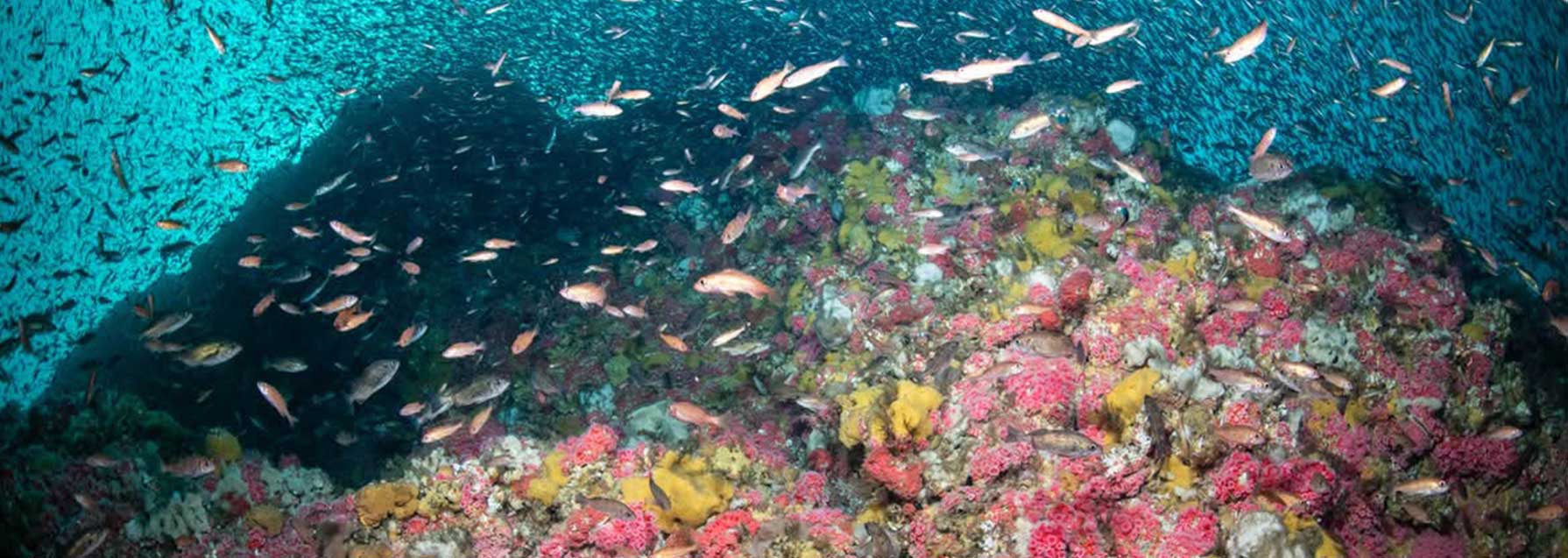
Photo: Robert Lee Oxygen levels are a critical component of ocean health, influencing where marine species can live, feed, and migrate. While low-oxygen water naturally occurs in the deep ocean, recent observations along the U.S. West Coast have documented episodes of hypoxic — or low-oxygen — water moving into shallower habitats. In 2013, researchers from … Continue reading "Why we need to study the effects of low-oxygen events at Cordell Bank"
Read more
Eastern Boundary Currents and coastal upwelling are fundamental to the extraordinary productivity of the ecosystem surrounding Cordell Bank National Marine Sanctuary. The southward-flowing California Current, one of the world’s major Eastern Boundary Currents, transports cold, nutrient-rich water along the U.S. West Coast. Seasonal upwelling then brings these nutrients from deep ocean layers to the surface, … Continue reading "Why are eastern boundary currents and coastal upwellings so important to Cordell Bank National Marine Sanctuary"
Read more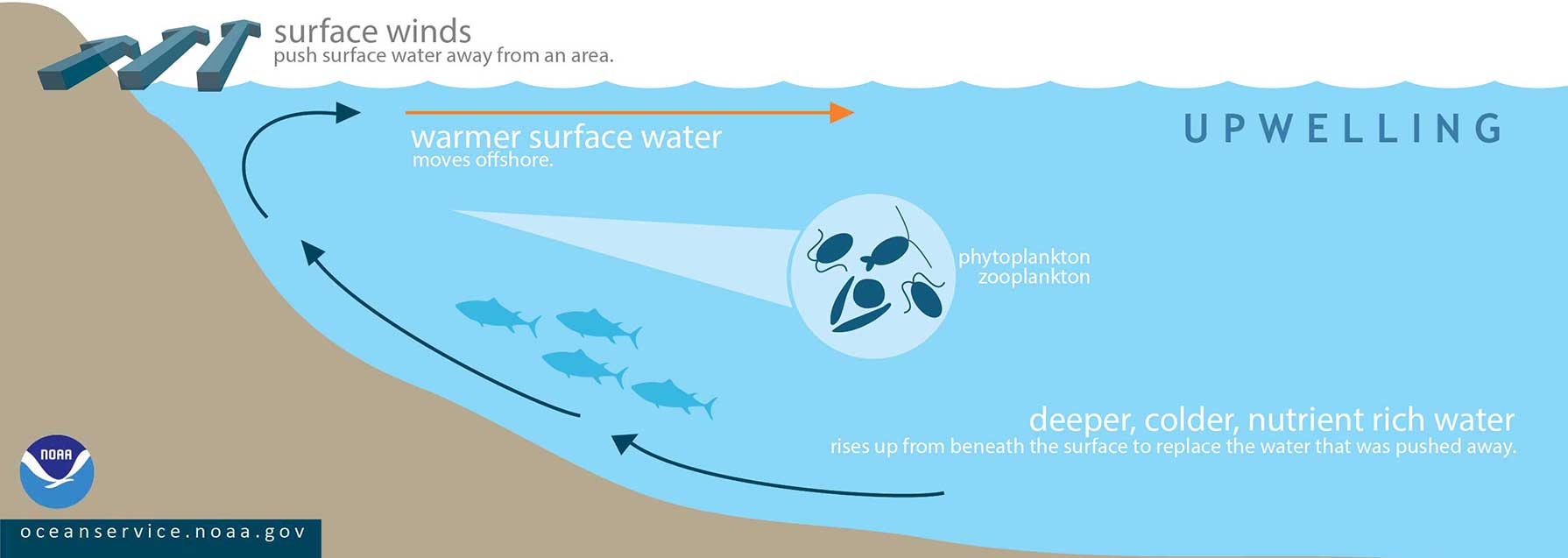
Photo: NOAA/GFNMS/CBNMS The exceptional productivity of Cordell Bank National Marine Sanctuary is driven by a rare combination of oceanographic and geological factors. The bank’s steep rocky topography rises from the continental shelf into nutrient-rich waters influenced by the California Current and seasonal upwelling, concentrating plankton and creating ideal feeding conditions for fishes, invertebrates, seabirds, and … Continue reading "Unique factors contributing to Cordell Bank’s incredible productivity"
Read more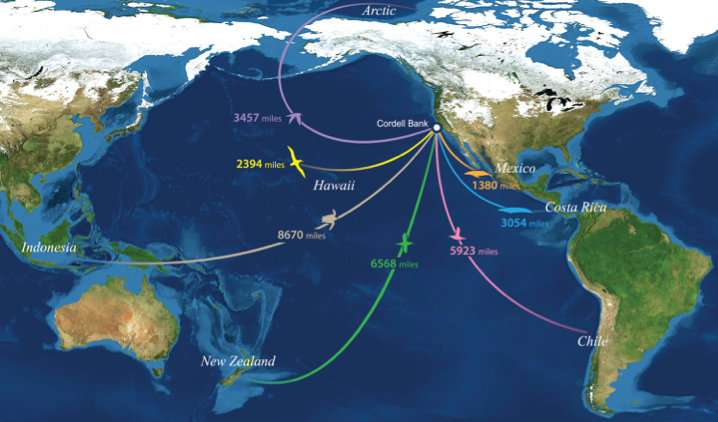
Photo: NOAA/GFNMS/CBNMS Cordell Bank National Marine Sanctuary is one of 18 federally designated underwater areas protected by NOAA’s Office of National Marine Sanctuaries and represents a remarkable offshore ecosystem shaped by migration, ocean currents, and seafloor geography. Located about 42 miles north of San Francisco and spanning 1,286 square miles, the sanctuary centers around Cordell … Continue reading "Migration and Creatures"
Read more- 1
- 2
Latest Articles & News

© 2026 Cordell Marine Sanctuary Foundation | All Rights Reserved